All Posts By

Sharon Olson

Capturing Stunning Photos on Your Denali Flightseeing Adventure

By Blog, Denali National Park, Flights, Uncategorized
Capturing Stunning Photos on Your Denali Flightseeing Adventure
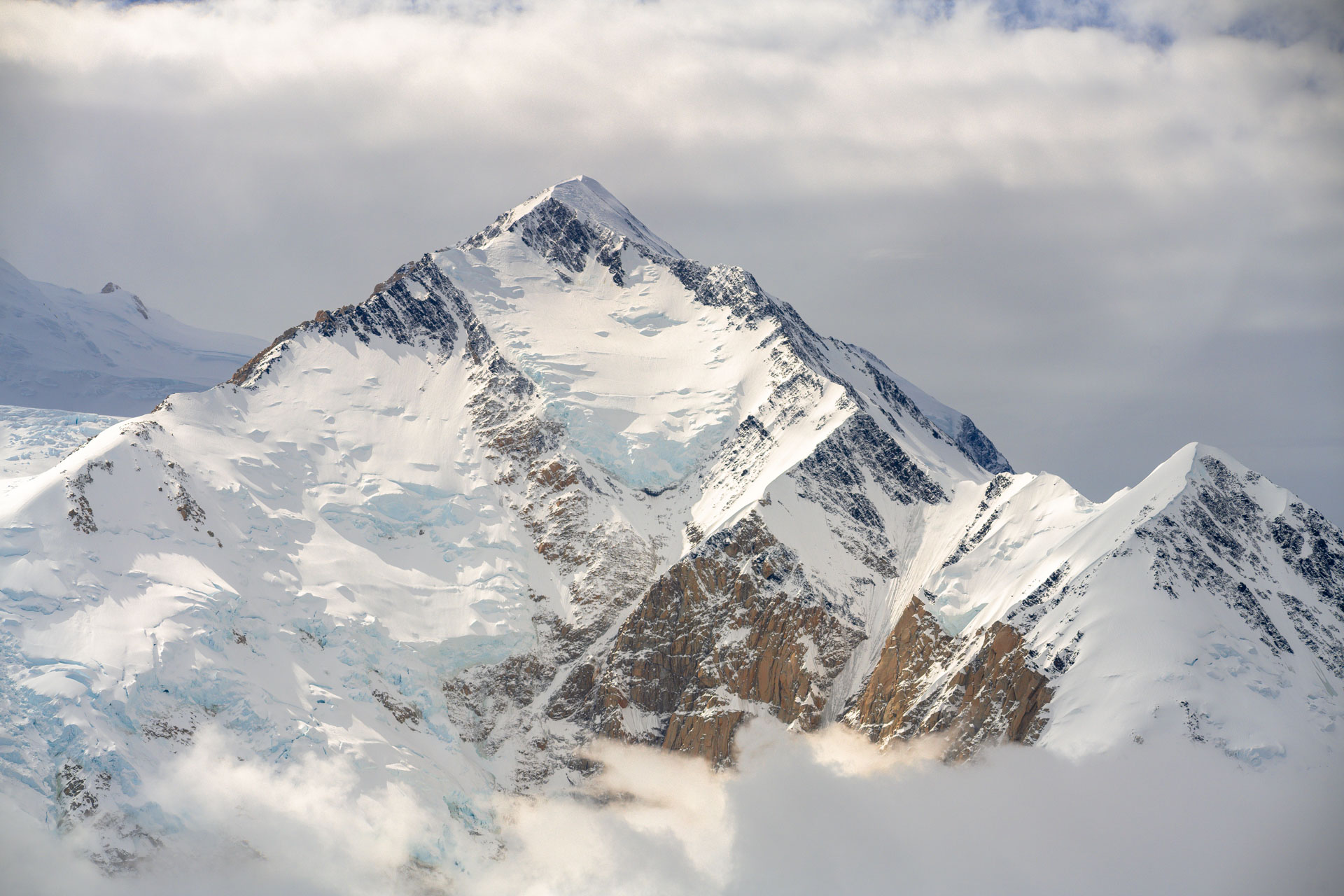
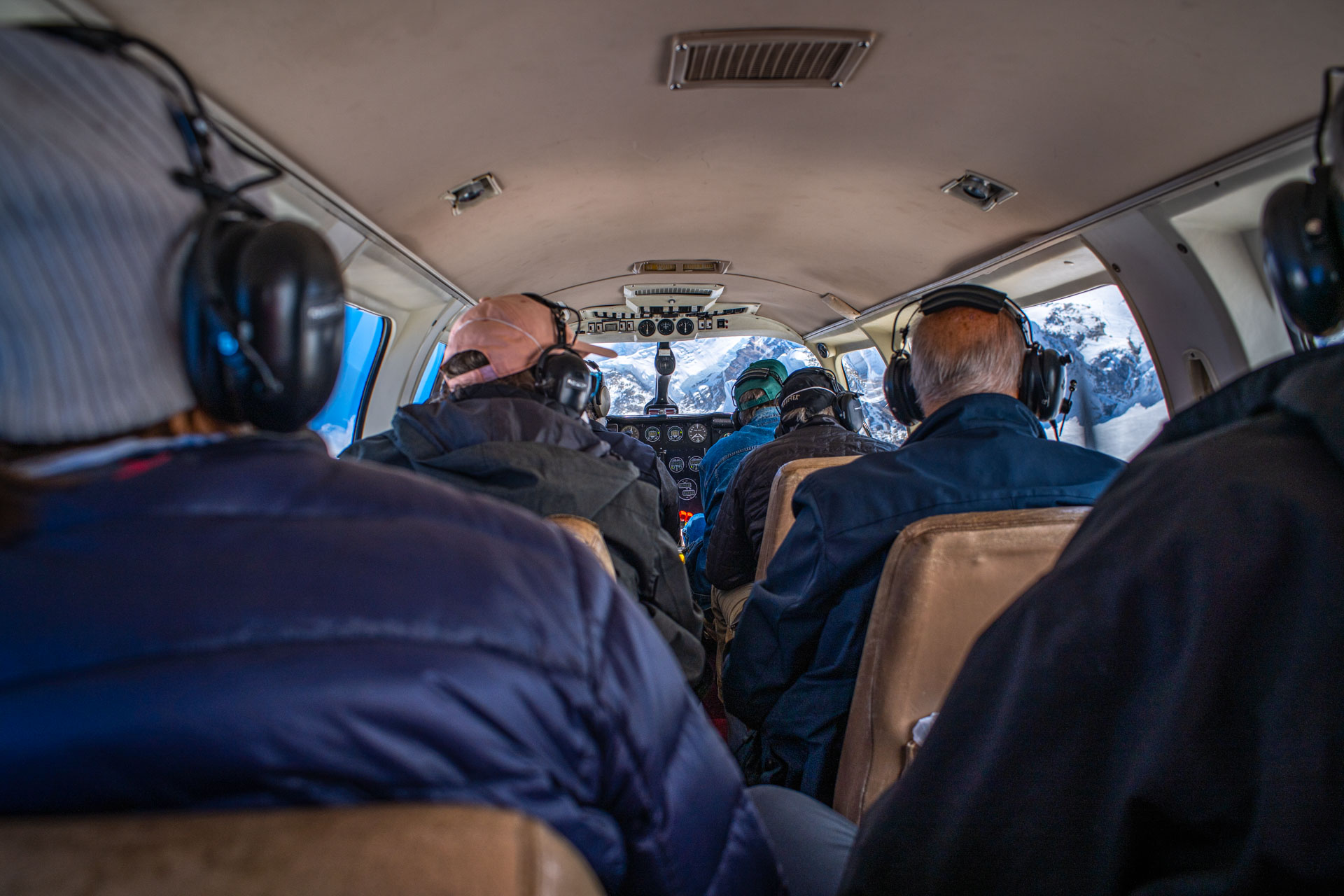
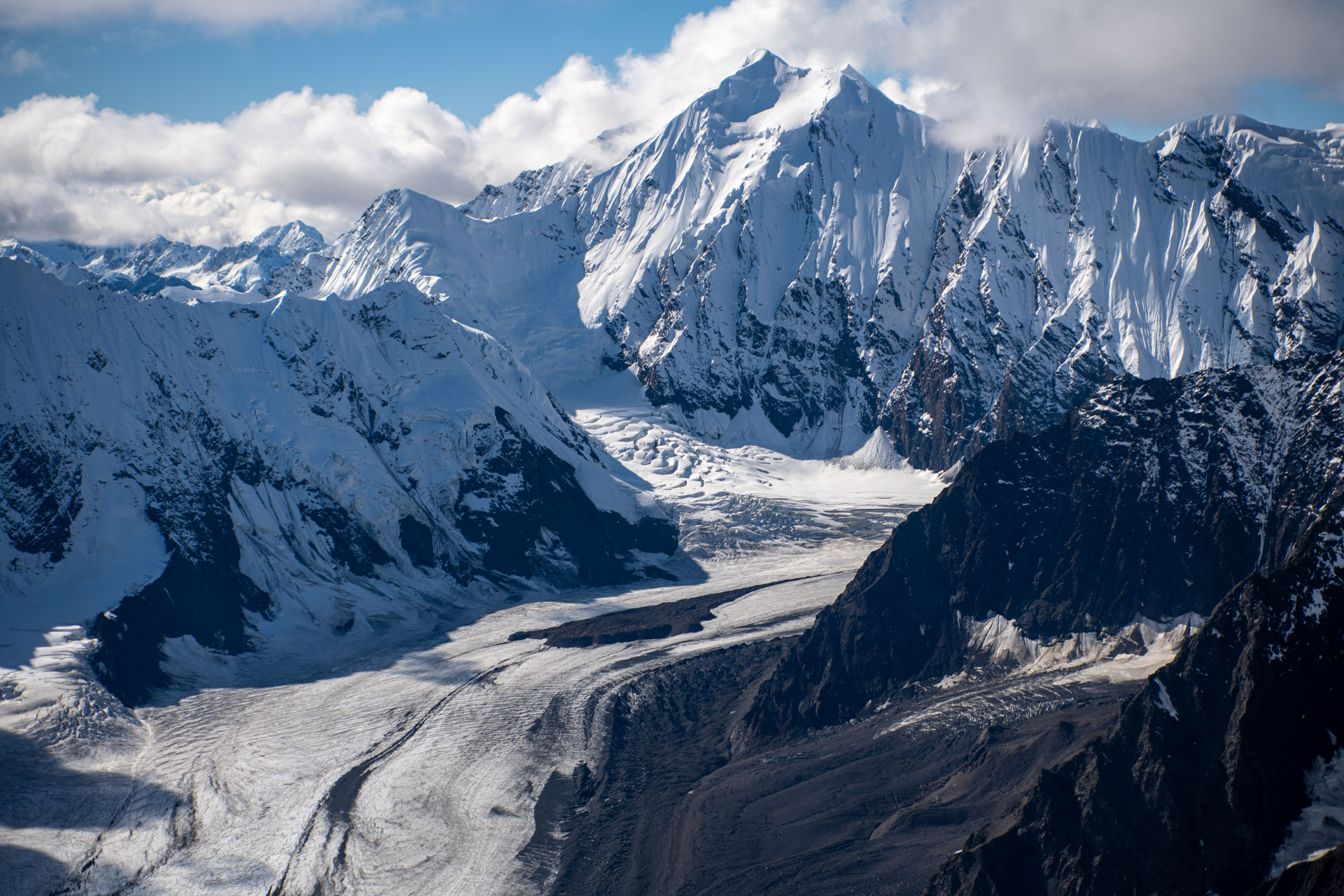
One of the most unforgettable parts of a Denali flightseeing tour is the view of towering peaks, flowing glaciers, and Alaskan landscapes stretching as far as you can see. It’s only natural that you’ll want to capture as much of it as possible. The good news? Our flights make it easy. Every seat is a window seat, and the scenery starts the moment the wheels leave the ground.

We have partnered with our friends and local photography pros at Denali Photo Guides to bring you their top tips for unforgettable photos during your Denali flightseeing tour. Their team spends every day helping guests master the art of outdoor and landscape photography, and we are thrilled to share their expertise with you. While some of the tips below are geared toward guests using DSLR, you can still capture incredible images with your phone. Today’s smartphones perform beautifully in the air, so don’t hesitate to use what you have!

Come Prepared
Before you even board the plane, double-check the basics. Make sure your camera battery is fully charged, and you have plenty of storage available. You don’t want to be fumbling with gear or worse, missing a once-in-a-lifetime shot while the mountains glide by beneath you.

Grab That Window Seat (Hint: You Already Have One!)
Positioning is everything when it comes to aerial photography. Luckily, every seat on our aircraft is a window seat, giving you easy access to the views no matter where you sit.

Minimize Reflections
Wear dark colors: dark brown, midnight blue, anything near black, so that you don’t get glare in the windows. Dark gloves are a bonus. Stay away from white. A white baseball cap will shine like a light. A circular polarizer comes in handy to reduce glare in the glass.

Phone users: circular polarizers are also available for your phone camera.

Keep Your Camera Handy
Once you’re buckled in, keep your camera or device on your lap so it’s ready at a moment’s notice. Things move quickly up there, and the views are too good to miss.

Use a Fast Shutter Speed
If you are shooting with a DSLR, aim for a minimum shutter speed of 1/500th. A shutter speed closer to 1/1000th is ideal to keep your images crisp.

Phone users: your device will adjust automatically-just tap to focus and shoot! This tip comes straight from the Denali Photo Guides team, who know a thing or two about photographing landscapes.

Avoid Touching the Window with Your Lens
Hold your camera or phone slightly away from the glass.  Vibrations from the aircraft can travel straight into your camera, creating blurry images. Plus, camera lenses can scratch our windows, which is something we work hard to keep crystal clear!

Choose the Right Lens
The following recommendations come straight from the Denali Photo Guides crew, who coach guests daily on making the most of whatever gear they bring. For those using interchangeable lenses, a lens in the 24mm—70mm range is great for aerial photography. Ideally, 35mm—50mm shooting out of a plane is spot on. Anything under 35mm you start getting the edges of the plane, and above 70mm, shake becomes amplified unless the technique is impeccable. A lens in this range gives you enough width to capture sweeping landscapes, while still allowing you to zoom in on dramatic peaks or winding glacier patterns.

Phone users: your built-in wide and telephoto lenses will work beautifully, too.

Pan with the Subject
Moving with your subject will enable you to capture a sharper image. If you hold straight and shoot, the plane is still moving a hundred miles an hour which can cause blur. Panning with the subject results in clear photos.

Terry with Denali Photo Guides Ideals
When preparing to shoot aerial photography, Terry’s ideal setup is a full-frame DSLR with a 24mm—70mm 2.8 lens. Shoot at 35mm—50mm for the best images. Set shutter speed at 1/500th minimum, and closer to 1/1000th would be ideal. Aperture setting would be around F8. Terry wouldn’t recommend bringing more than one lens. A 70mm—200mm would be unusable. You will be fighting reflections in the glass. Minimize this by wearing dark clothing and using a circular polarizer.

Shoot Plenty… but Also Look Up
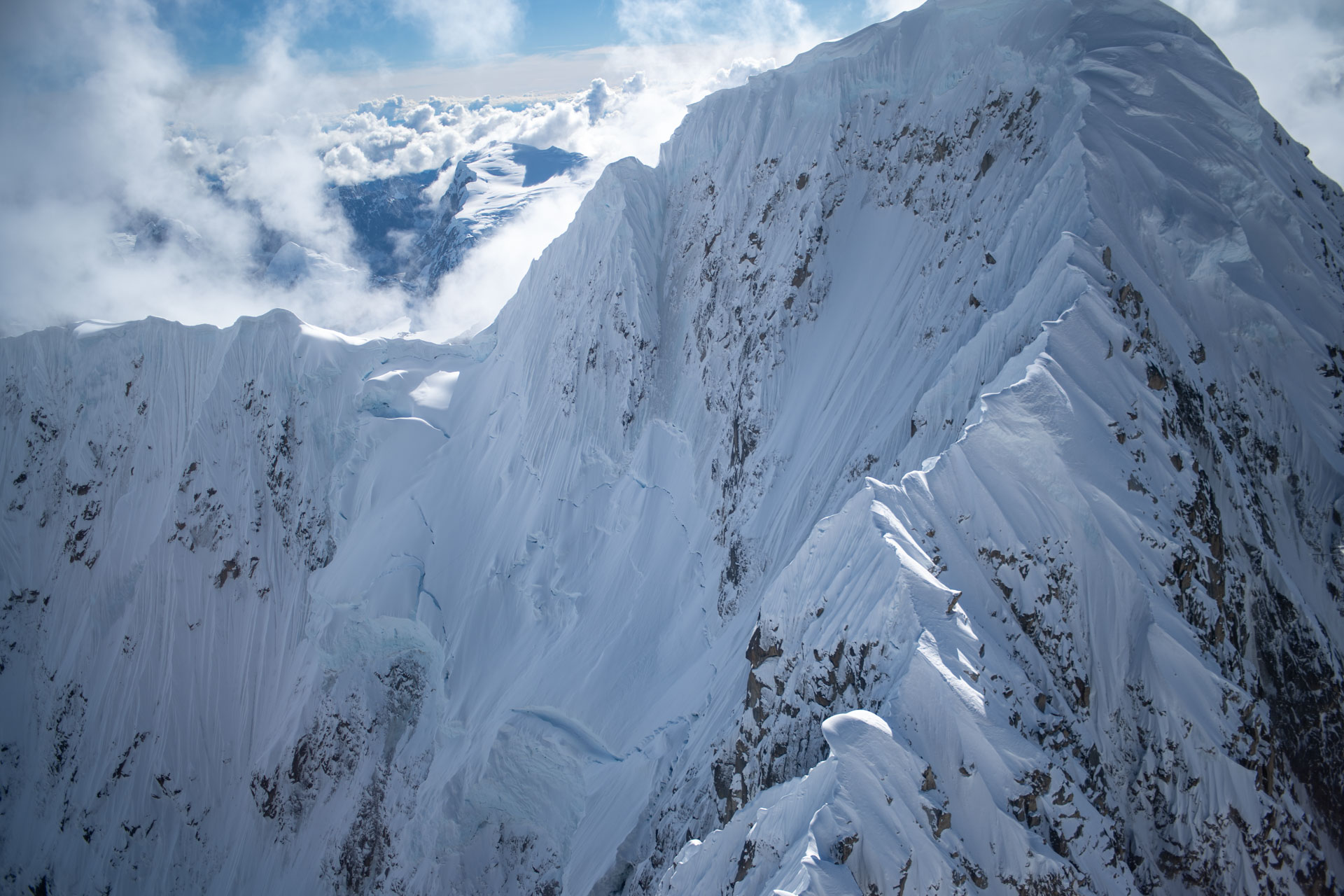
Take lots of photos as you’ll be glad you did, but don’t forget to pause, lower your camera or phone, and simply take in the moment. Some views are best enjoyed with your own eyes.
Ready to experience these breathtaking vistas for yourself?
Bring your camera or phone, a sense of adventure, and the tips from our friends at Denali Photo Guides, and we’ll take care of the rest.


navajo | Denali Air | Denali Flightseeing

Meet Our Planes: The Heart of Our Flightseeing Fleet

By Blog, Denali National Park, Flights, Tours, Uncategorized

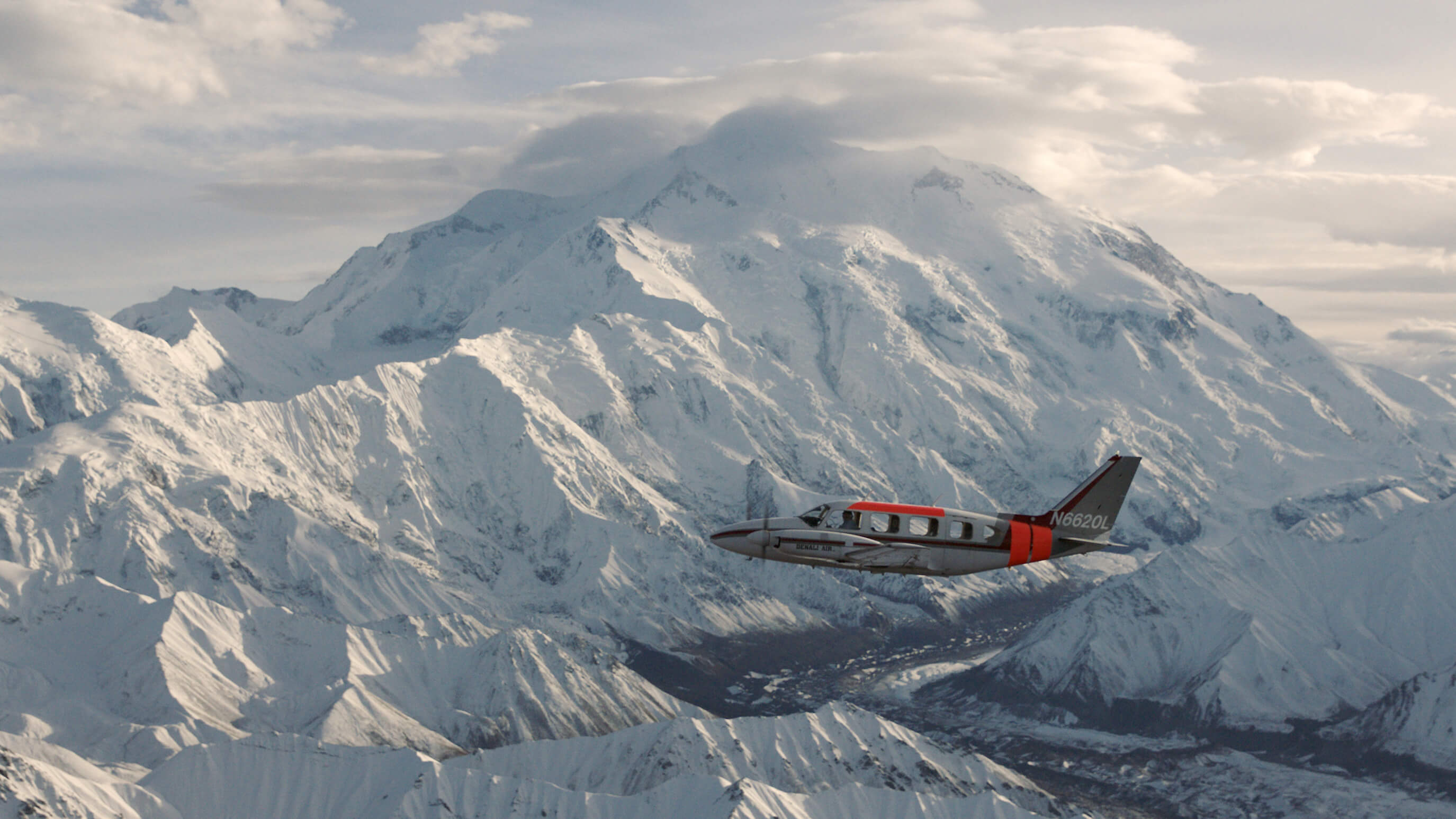
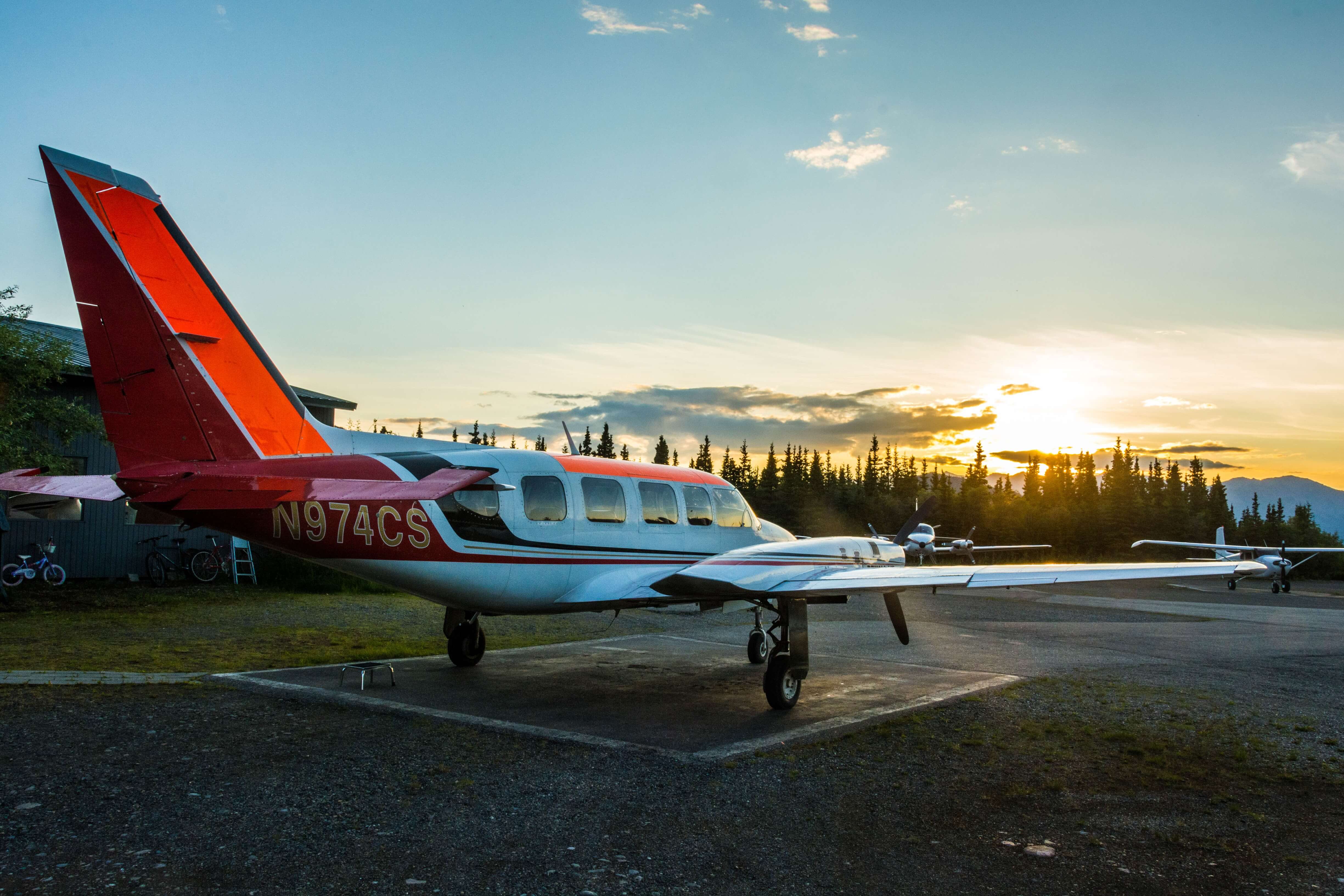
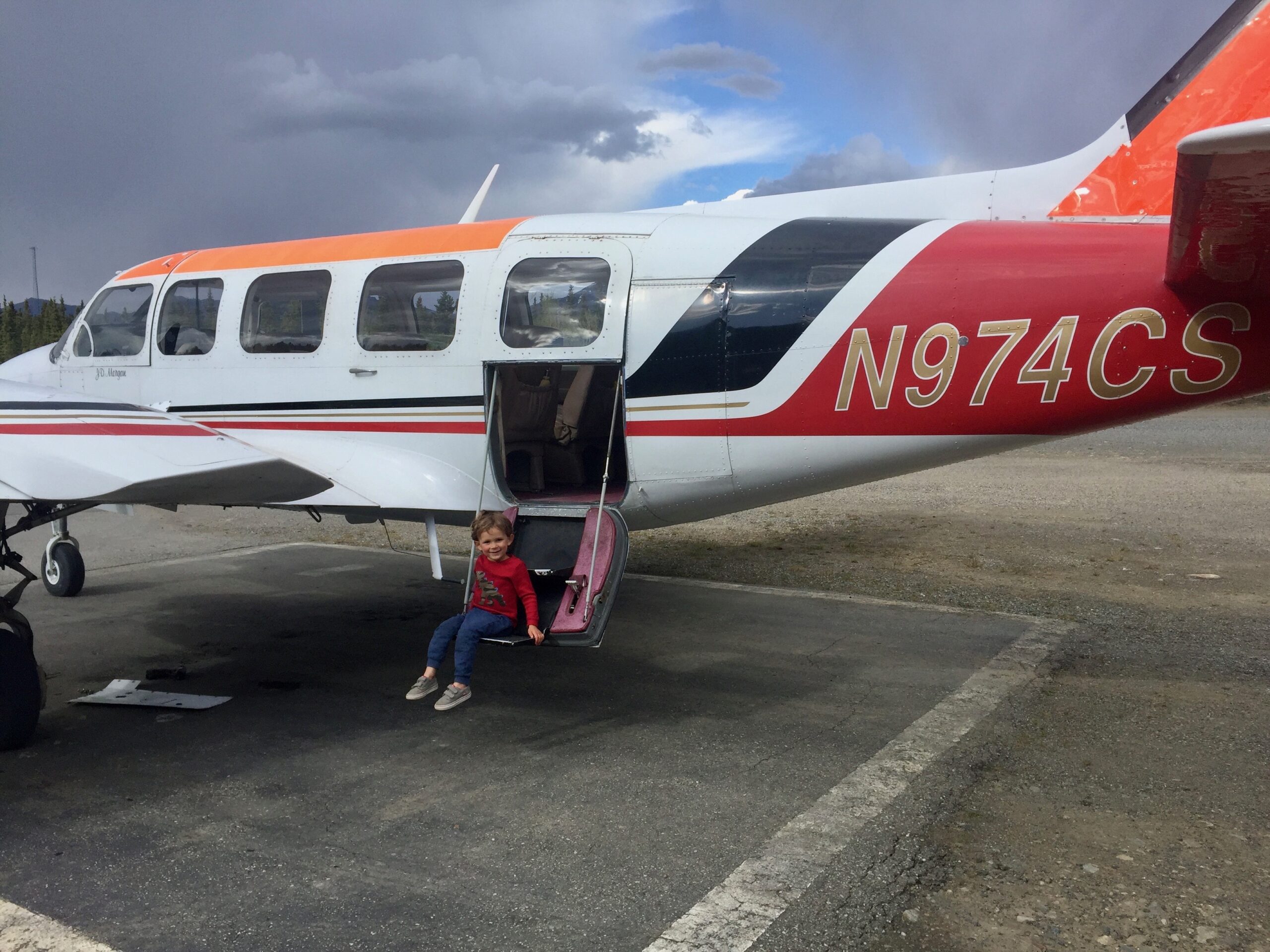
When you join us for a flightseeing adventure, you’re not just stepping into any aircraft, you’re boarding one of the reliable, time-tested planes that form the backbone of our fleet. We’re excited to introduce you to the stars of the show: our Piper Navajos and Piper Chieftains. These twin-engine aircraft are known for their comfort, stability, and excellent performance in Alaska’s rugged and scenic landscapes.

The Piper Navajo: A Classic Built for Reliability

The Piper Navajo, officially designated the PA-31, has a long history of serving travelers and adventurers. First developed in 1964, it was originally created as a corporate and commuter transport aircraft designed to be both versatile and trustworthy. Fun fact: it was initially conceived under the name Inca at the request of company founder William T. Piper.

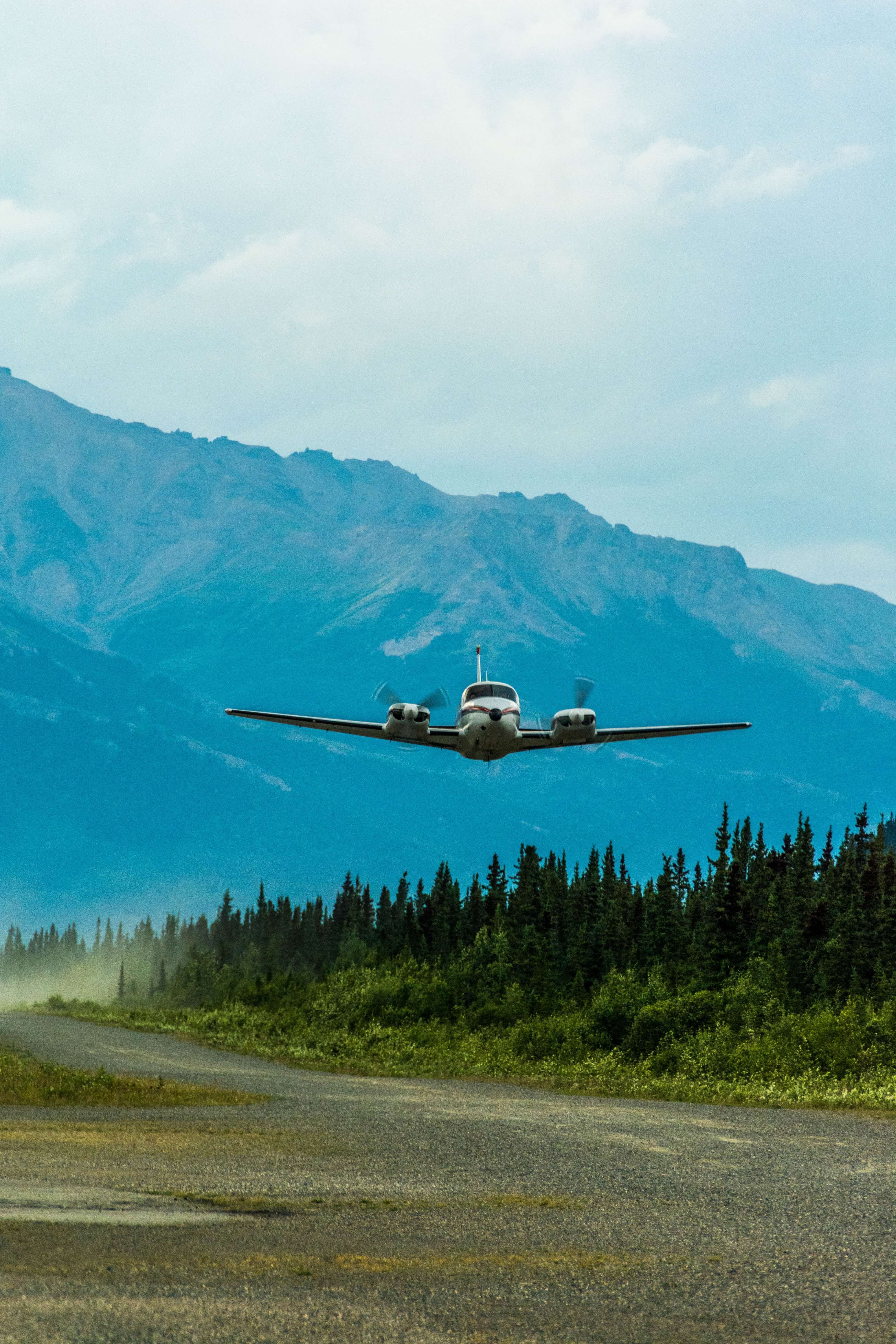
With its low-wing design and twin turbocharged 310 hp engines, the Navajo delivers dependable performance. We currently operate two of these aircraft, each offering comfortable seating for up to six passengers, perfect for sightseeing tours with stunning views from every seat.

The Piper Chieftain: More Space, More Power

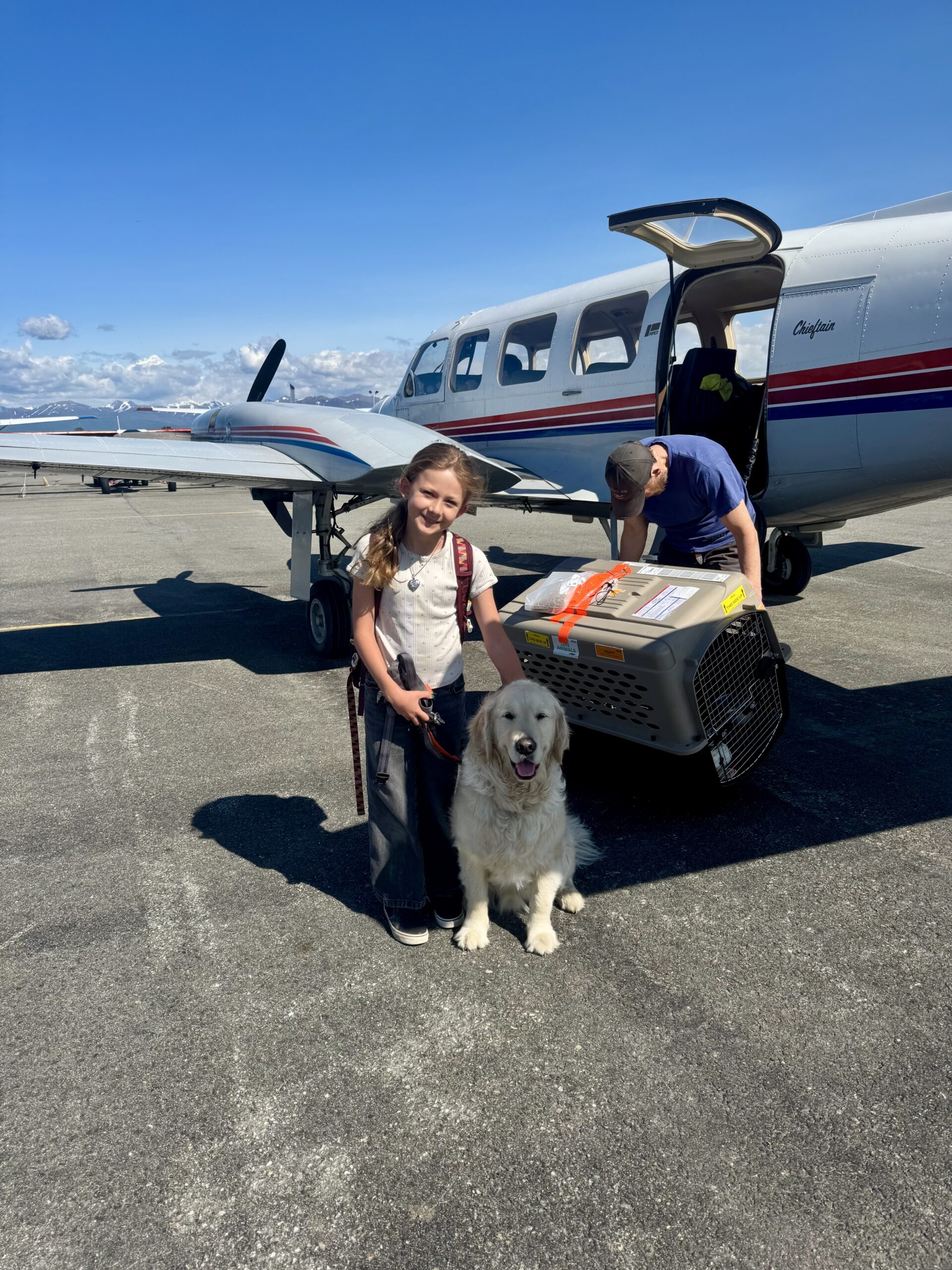
Introduced in 1972, the Piper Chieftain (PA-31-350) builds on everything people loved about the Navajo, with a little extra. This model features an extended fuselage that adds two additional feet of space. Under the hood, its two turbocharged 350 hp engines provide added power that is ideal for soaring above Denali’s vast wilderness.

We also operate two Chieftains in our fleet, each configured to comfortably seat up to eight passengers.

Why These Aircraft Are Perfect for Denali

Both the Navajo and Chieftain are purpose-built for the kind of flying we do every day. They are stable, powerful, and designed for exceptional visibility. Their twin engines offer an added level of safety and performance.

So, the next time you set off on a flightseeing tour with us, you’ll know a little more about the aircraft carrying you over braided rivers, glaciers, and up to the towering peaks of Denali. Reliable, comfortable, and full of history…just the way we like them.


air strip | Denali Air | Denali Flightseeing
sunrise | Denali Air | Denali Flightseeing
Sunset from the Hanger Roof | Denali Air | Denali Flightseeing
Denali Air | Denali Flightseeing

Tips for Flying with Kids

By Blog, Denali National Park, Flights, Tours, Uncategorized
Bringing Kids on a Denali Flightseeing Tour
Seeing Denali from the air is an unforgettable experience-jagged peaks, braided rivers, and tumbling glaciers carving through valleys. For kids, flying above the heart of Alaska is a story they will tell for years. Some might just walk away inspired to become a pilot one day. If you’re considering a family tour, here’s what you need to know.
Are Kids Allowed?
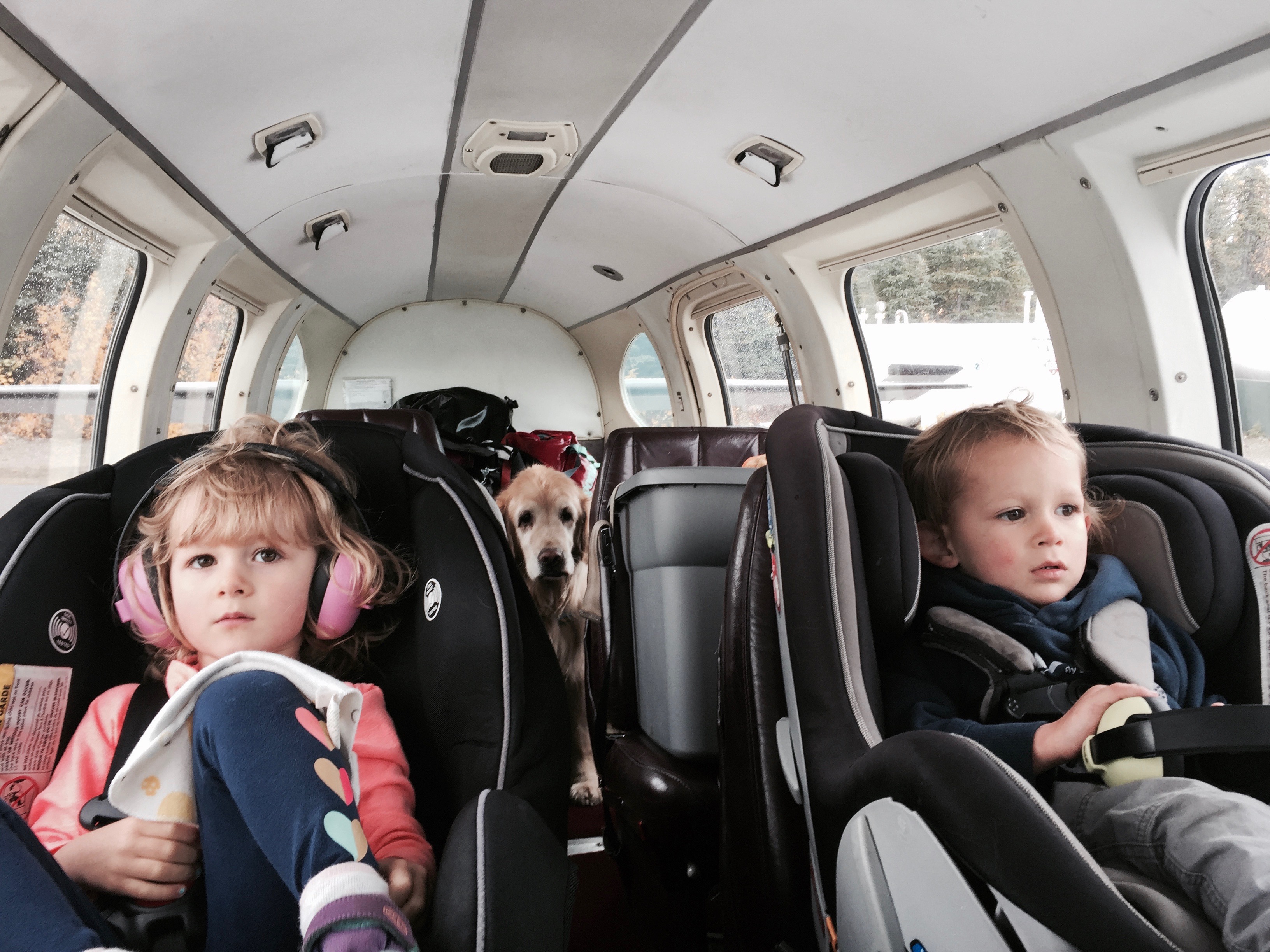
Absolutely! Children of all ages are welcome on our flightseeing tours. If your child can sit comfortably for the duration of the flight and wear a headset, they’ll do great. Children under age 2-years are lap babies and are free of charge; a lap baby does not get his/her own seat.  Children aged 2-12 qualify for a reduced fare. Our pilots are experienced with young passengers and happy to help everyone feel at ease.
What to Expect
Small aircraft offer an incredible opportunity to see the landscape up close. For kids, highlights might include:
  • Seeing glaciers that stretch for miles
  • Towering view of Denali and the Alaska Range
  • Spotting trails, lakes and the occasional wildlife
  • Feeling like part of the adventure

Helpful Tips for Families

  • Dress in layers to help kids stay comfortable.
  • Make it interactive: Encourage kids to look for glaciers, rivers, and possible wildlife.
  • Headset practice: Try having them wear headphones at home first so they will be comfortable wearing them on the flight. 
  • Plan flight times around naps.
Safety Comes First
Safety is our top priority. You can expect:
  • A pre-flight briefing
  • Proper seating accommodations for every child
  • Headsets for hearing protection
  • Highly trained, experienced Alaska pilots
A Memory You’ll Treasure
We consistently hear that our flightseeing tours are one of the most unforgettable parts of a guest’s trip. Experiencing it also through the eyes of your child can be downright magical and will provide an experience they will never forget.
So bring your kids and your cameras! The memories will last long after you’re back on the ground. 
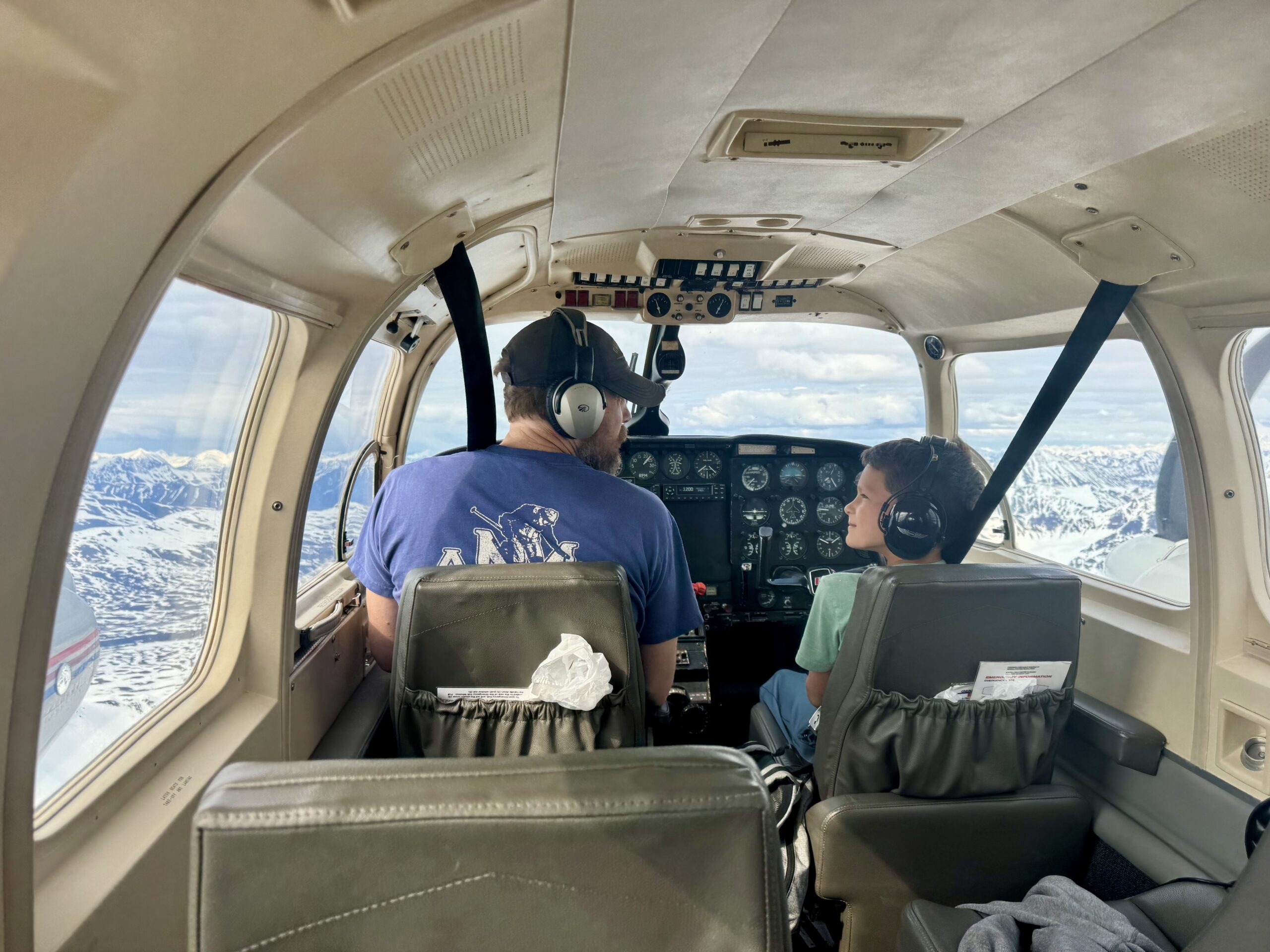
Just a heads up! These photos aren’t from our official flightseeing tours – they’re snapshots of our owner taking his family (and beloved pets) for a spin. Think of them as “family album” moments, not tour previews. And don’t worry…your kids will love the flight just as much as his do!